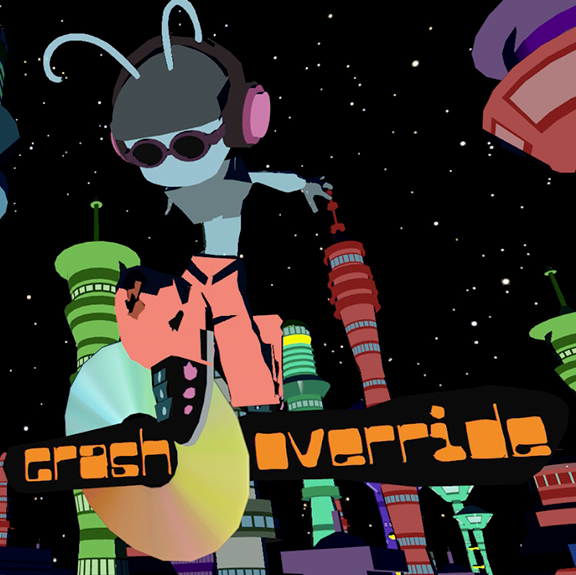
Source Code Vintage Screenshot
2024

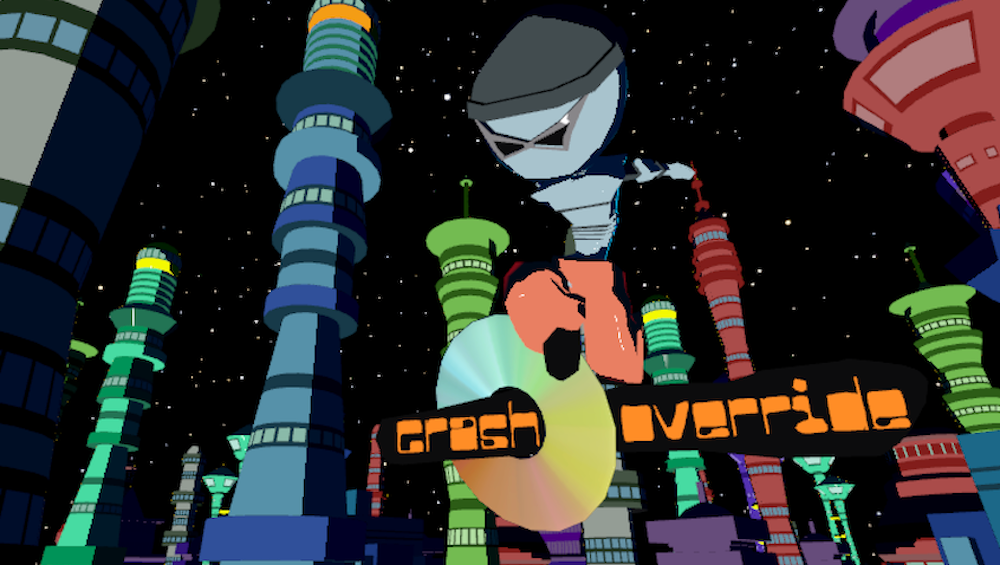
Crash Override

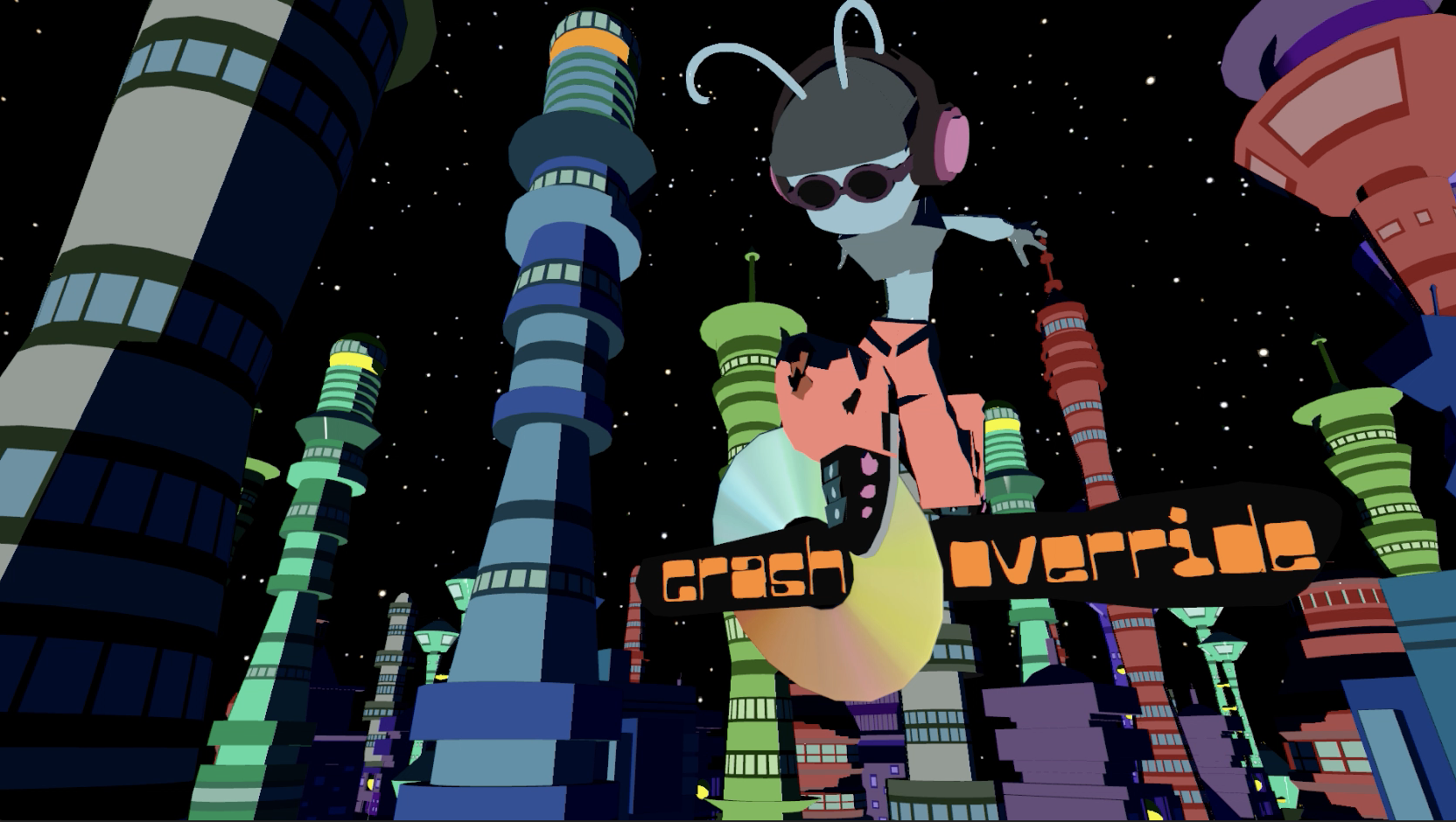
Crash Override is an open-world exploration game centered around high-speed hoverboarding through a sprawling futuristic city. Players collect Spex (currency), discover hidden areas, unlock new environments, and customize their adventure with upgrades and items purchased from the in-game shop.

Role

Game Designer, 3D Artist & Gameplay Programmer

Tools

Unity, C#, 3D Modelling (Maya)

Play on itch.io
Project Overview

Crash Override is an open-world skateboarding and hoverboarding adventure that places players in the role of a curious alien exploring a sprawling futuristic city. Cruise through diverse districts, uncover hidden paths, and unlock entirely new environments as you discover the world at your own pace.


Collect Spex scattered throughout the city to purchase cosmetic items, gameplay upgrades, and powerful boosters from the in-game shop, allowing you to customize your character and enhance your movement. Combining freeform exploration, fast-paced traversal, and a playful sci-fi aesthetic, Crash Override encourages players to experiment, discover secrets, and continuously expand their adventure through an ever-growing urban playground.
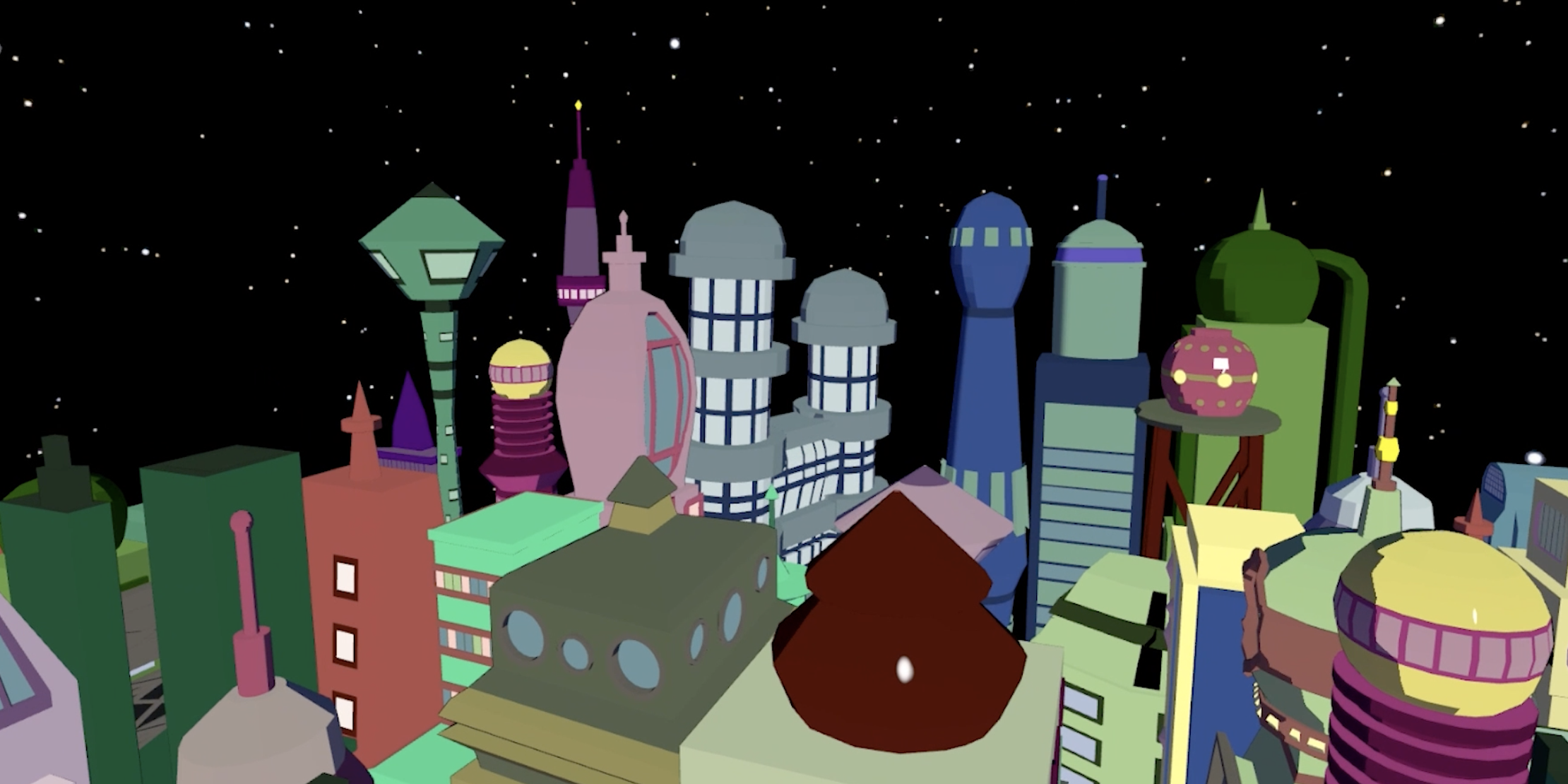
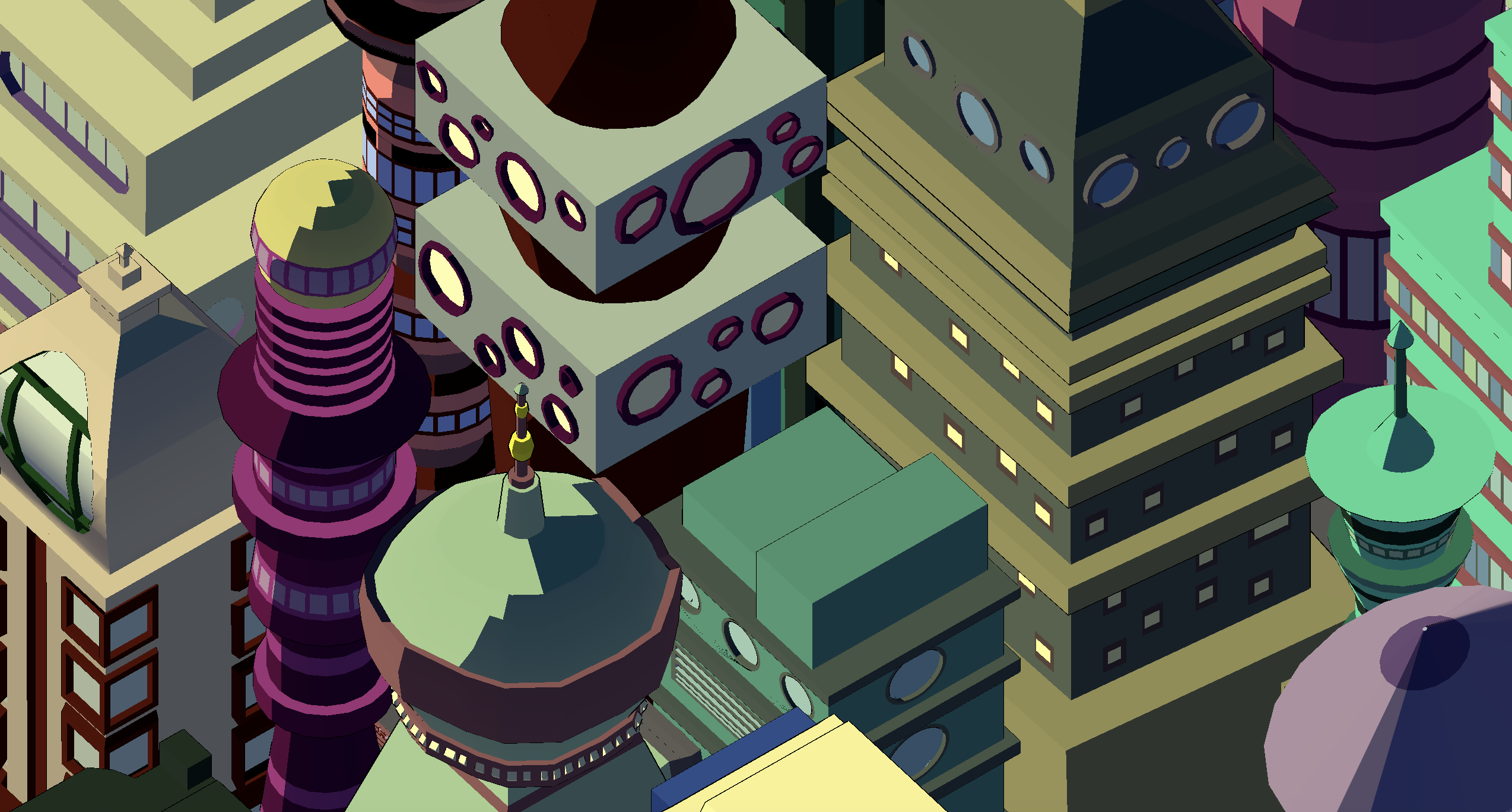
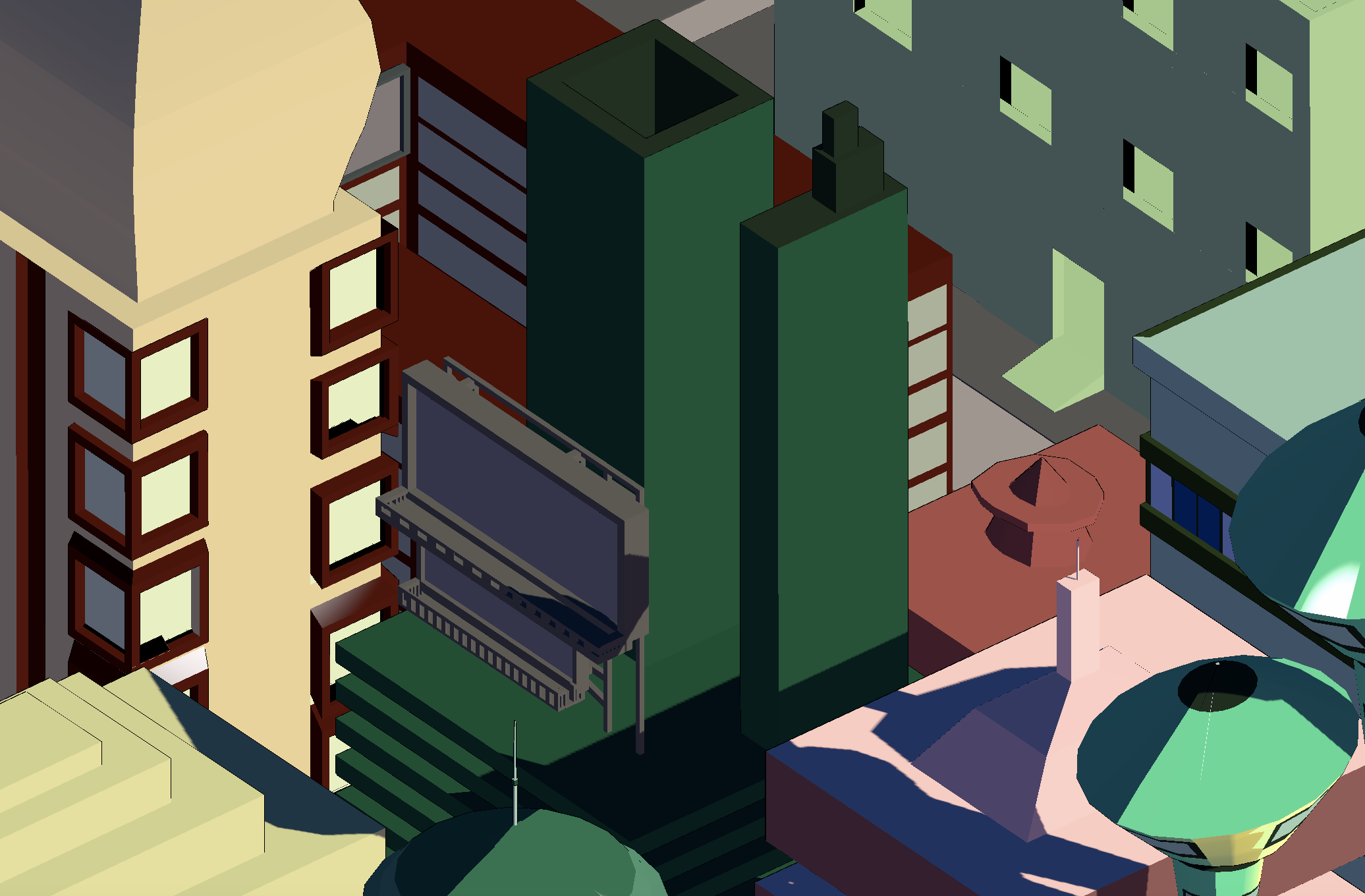
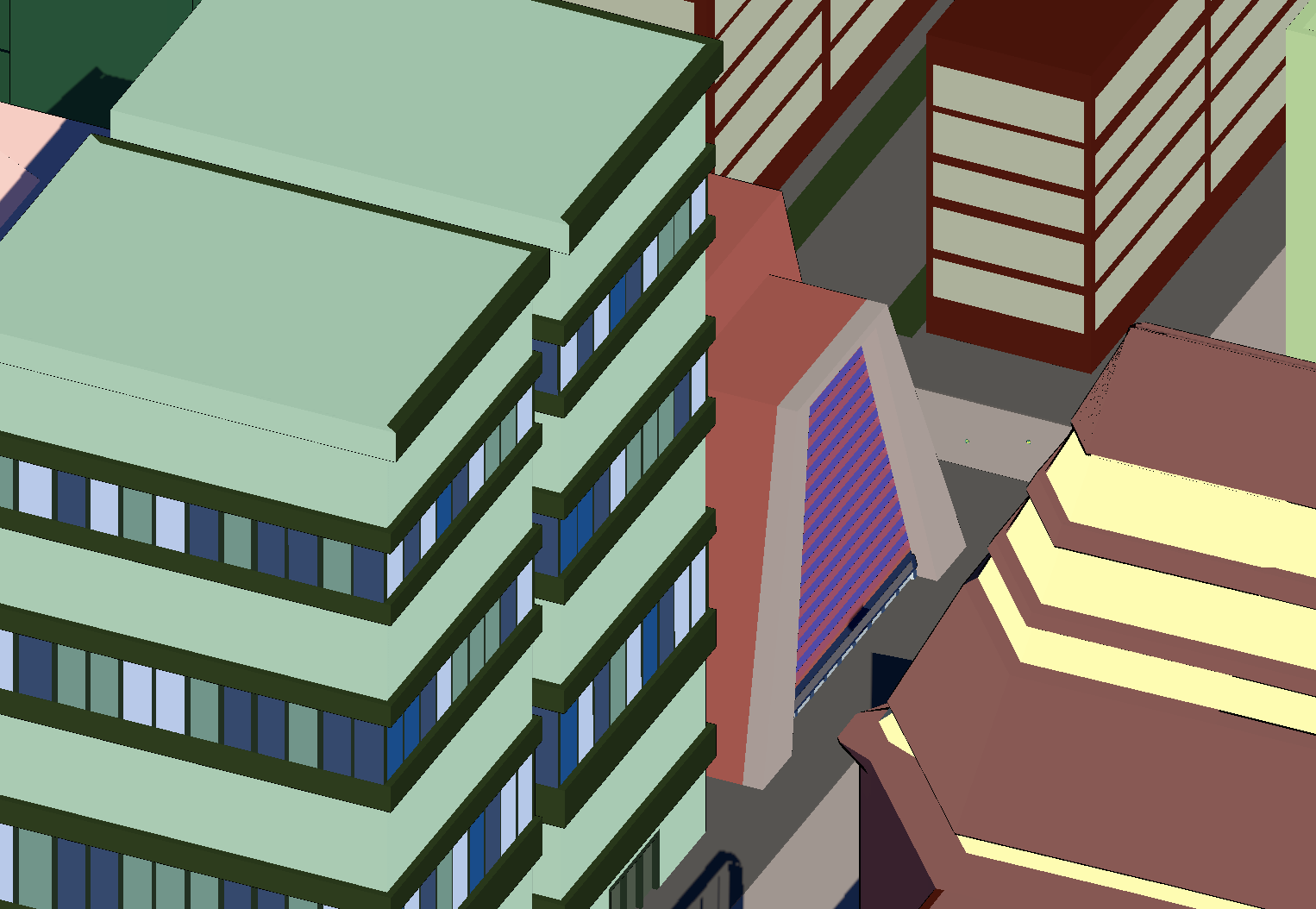
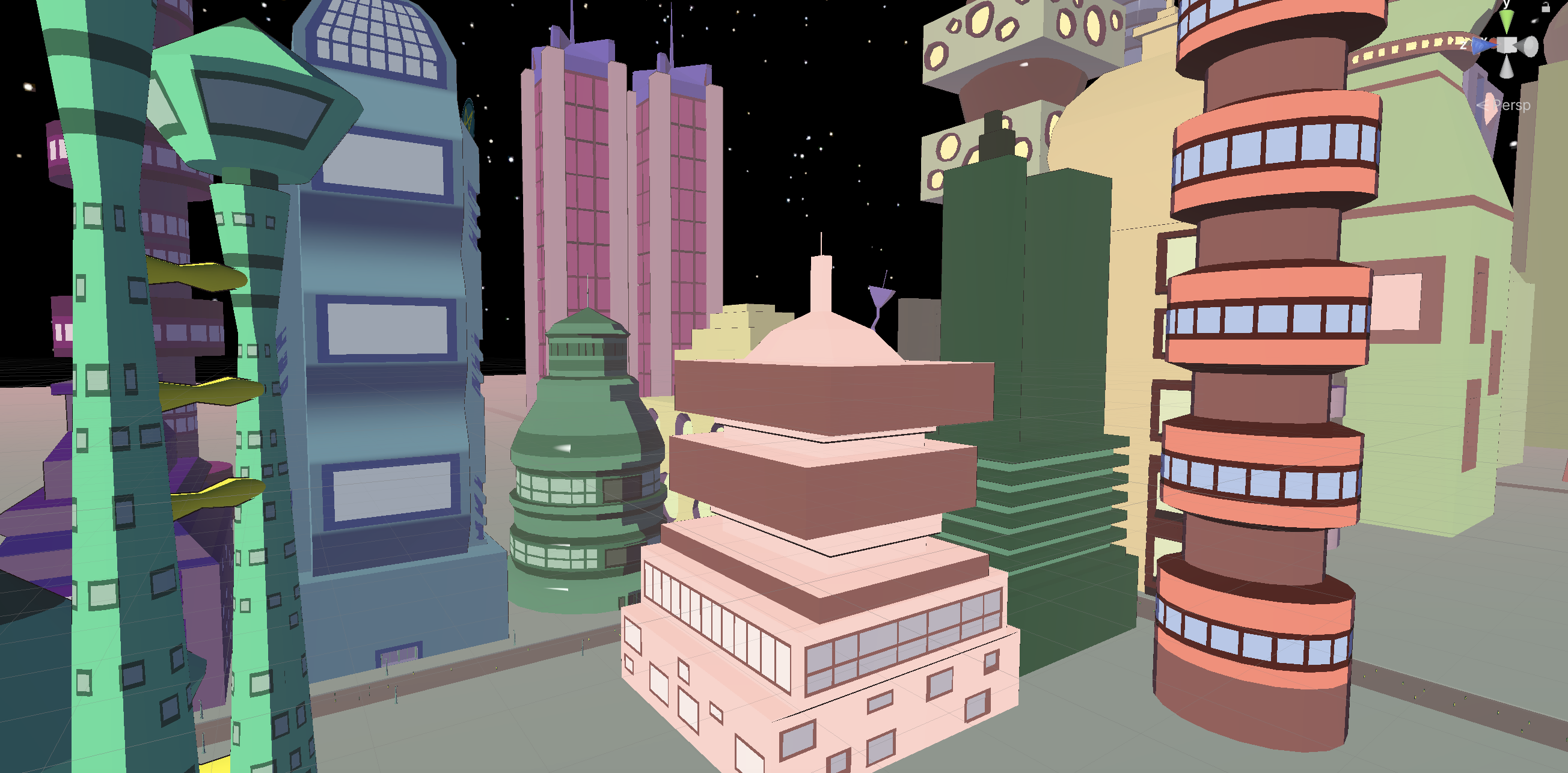
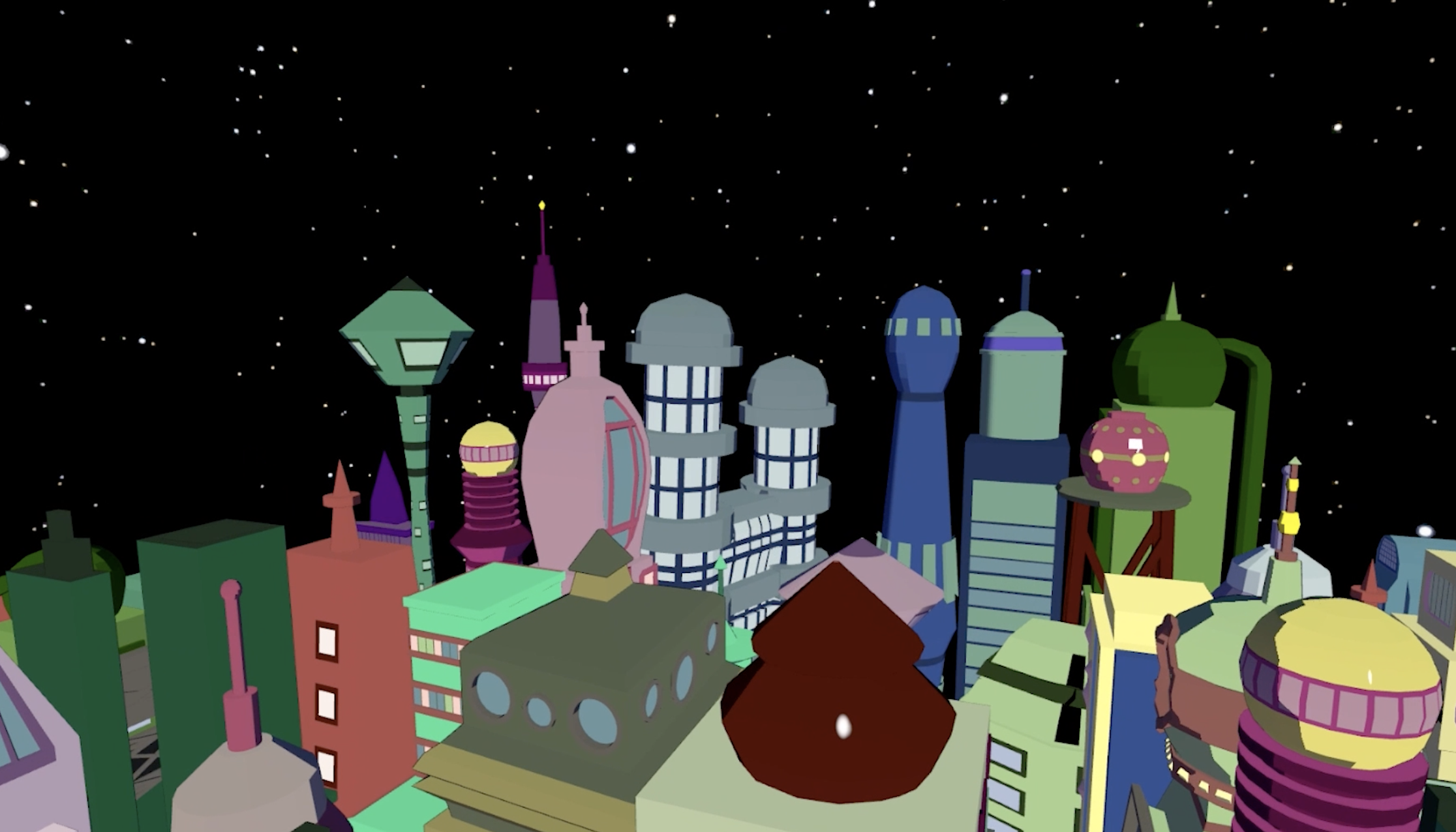
The world of Crash Override was designed to encourage curiosity and reward exploration. Set within a sprawling futuristic metropolis, the environment blends towering architecture, industrial districts, hidden rooftops, and interconnected pathways into a cohesive open world that invites players to roam freely.


User Experience
User Experience

Traversal is at the heart of the experience. Using a hoverboard, players can quickly navigate the city, uncover secret locations, collect Spex, and unlock entirely new environments as they progress. Rather than guiding players through a linear path, the city was built to feel alive and interconnected, encouraging experimentation, discovery, and repeated exploration while revealing new shortcuts, collectibles, and points of interest.

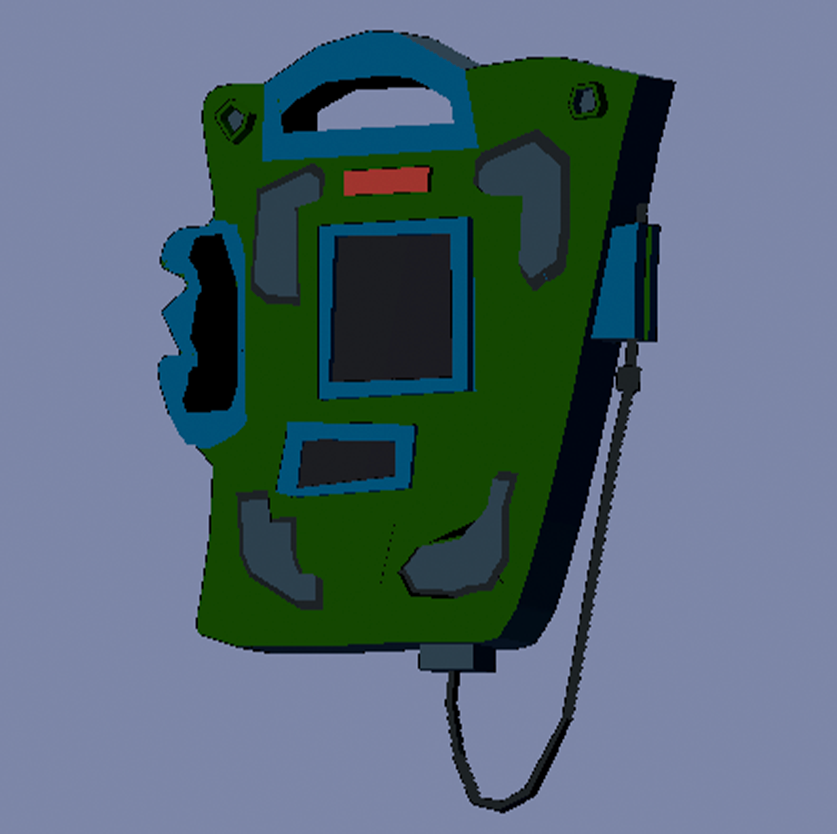
The visual identity of Crash Override was developed through a collection of original 3D assets designed to reinforce the game's playful sci-fi aesthetic. Every major interactive asset, from the player character to collectibles and equipment, was modeled and integrated into the game to create a cohesive world and recognizable visual style.


User Experience

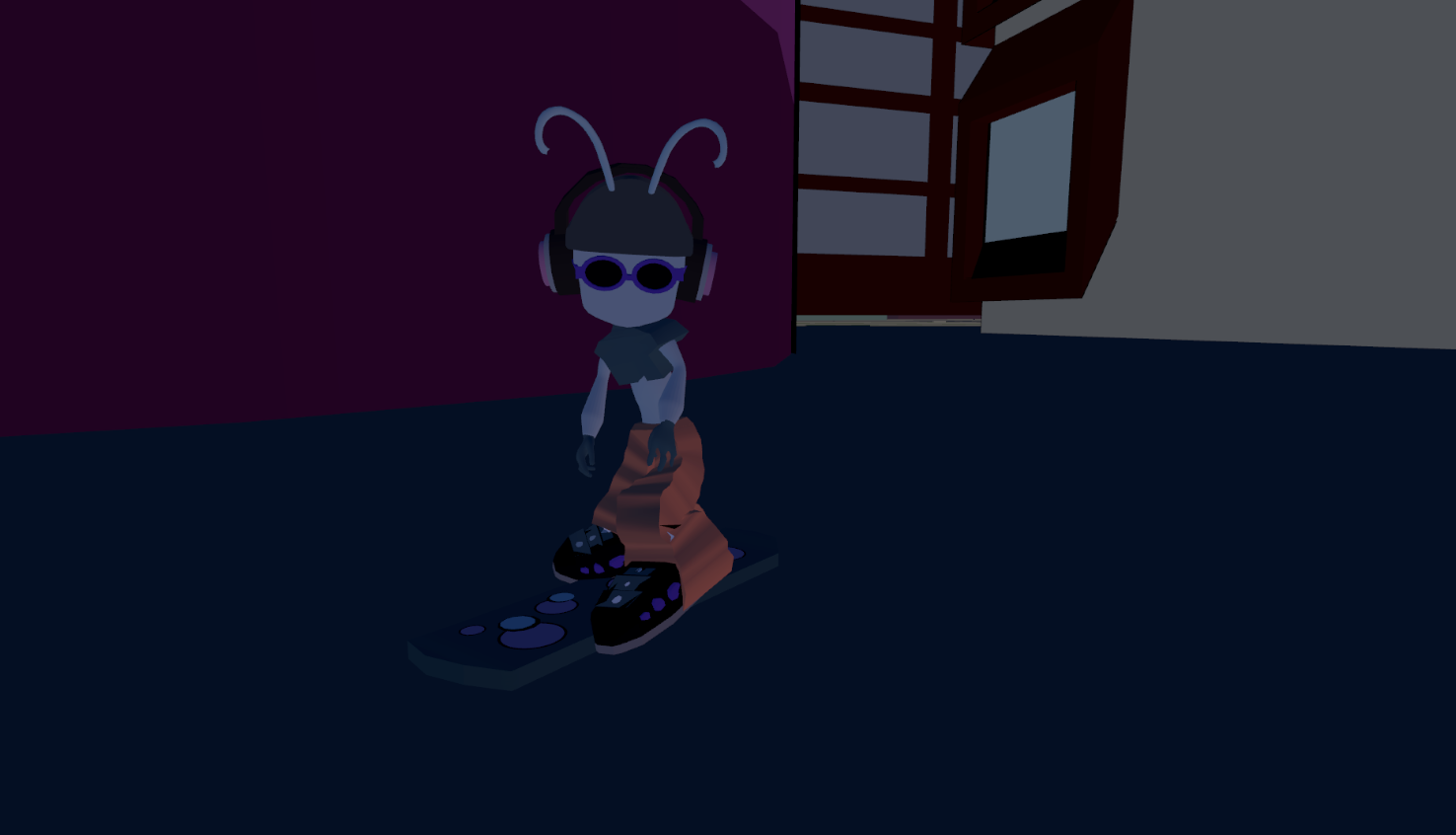
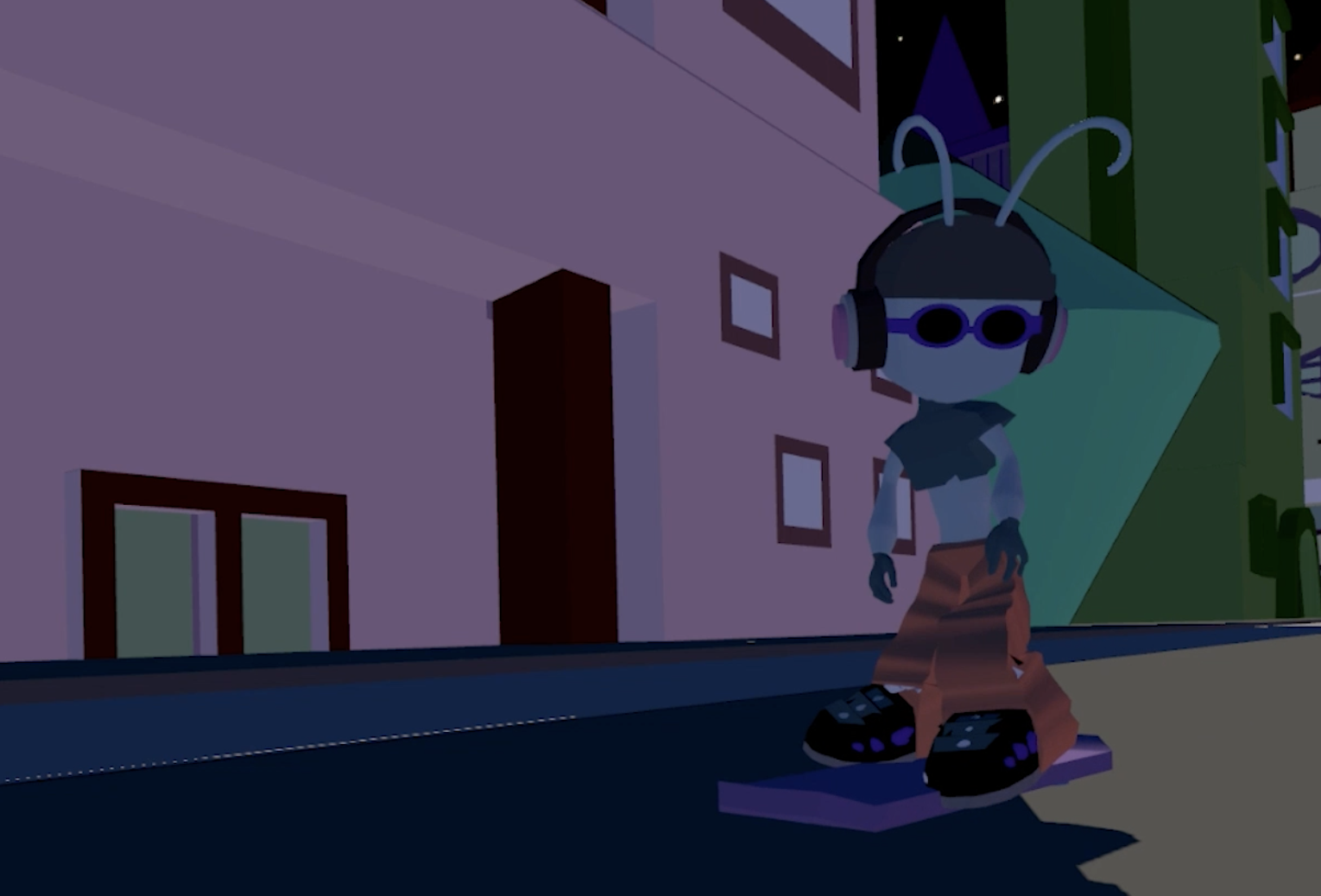
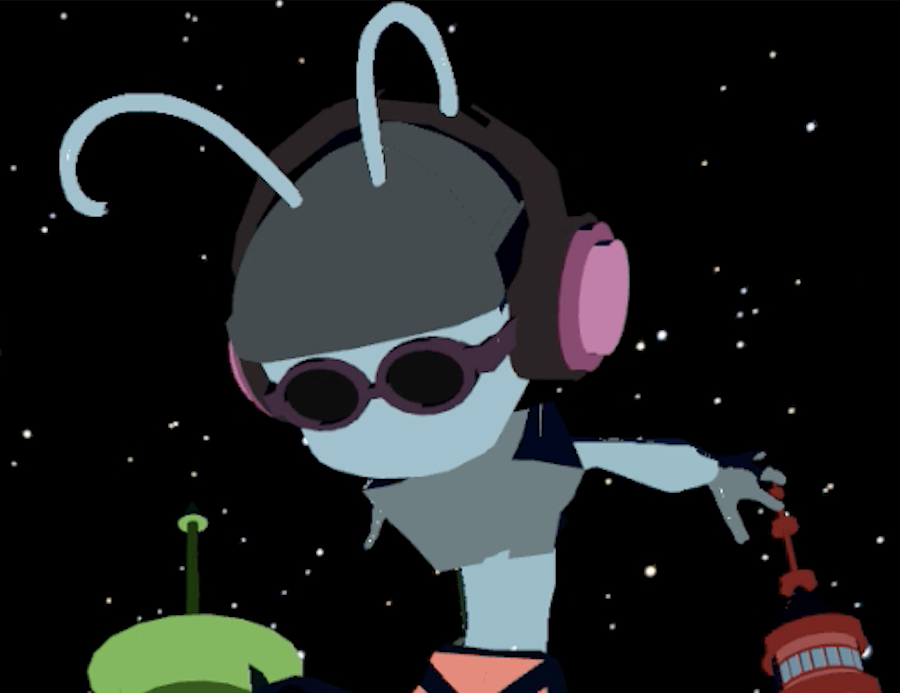
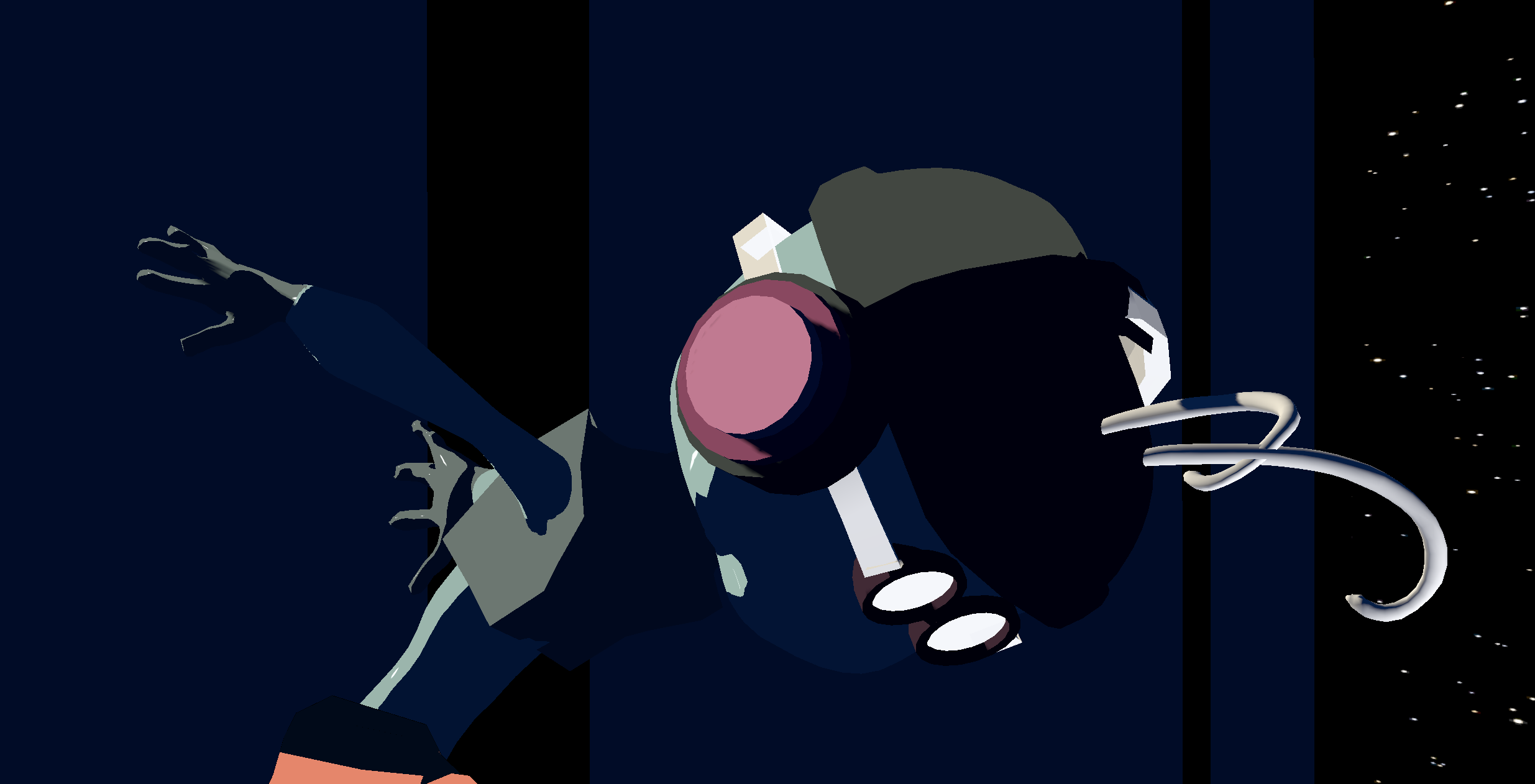
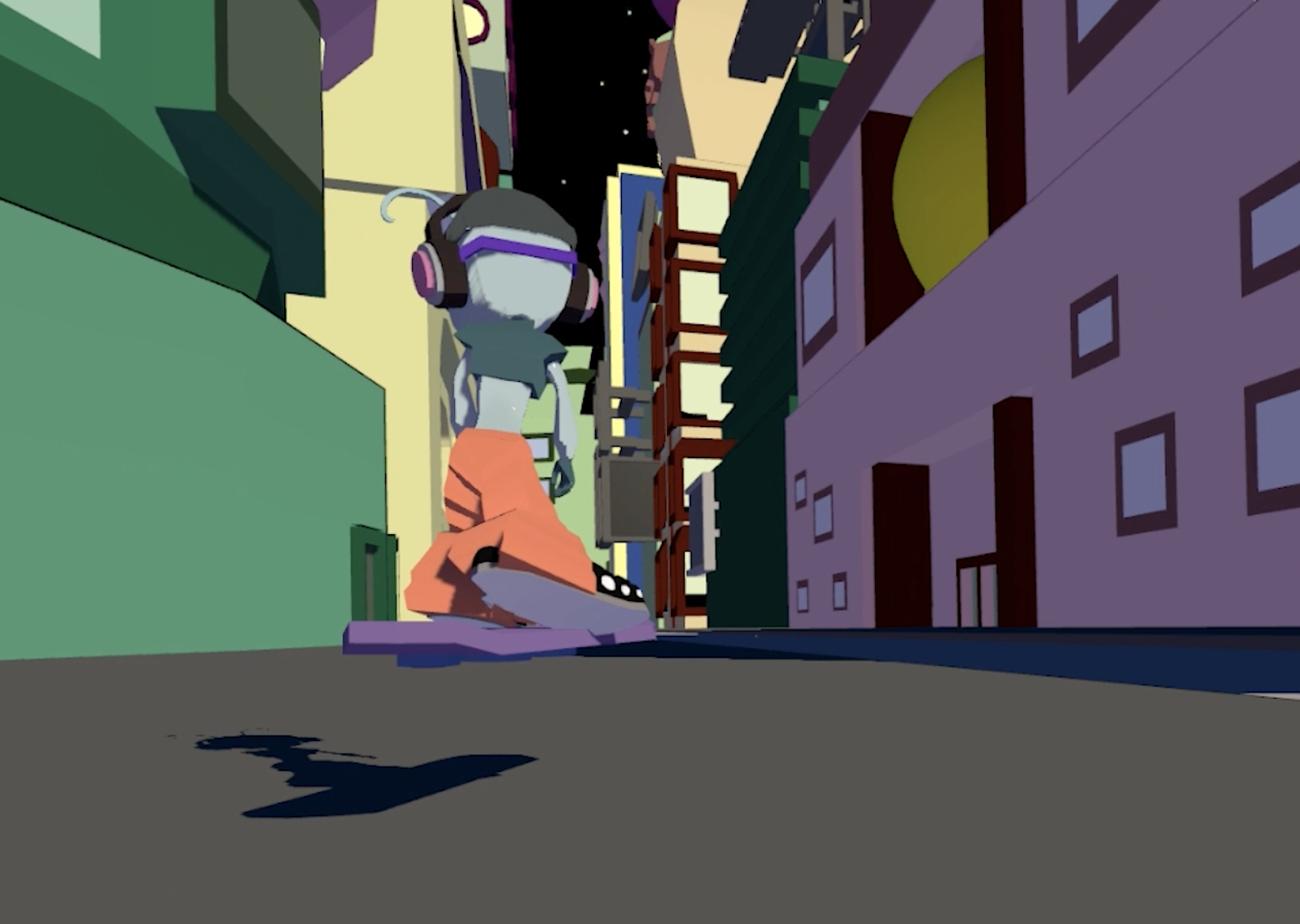
The main playable character, Zero Cool, was designed as a curious alien explorer whose expressive appearance reflects the game's lighthearted tone.

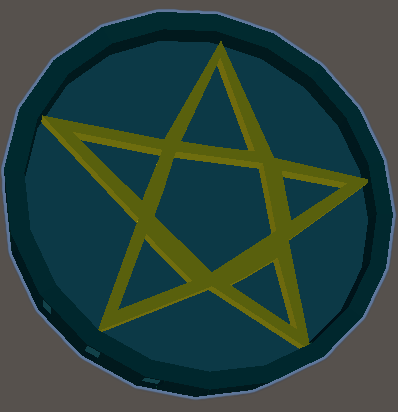
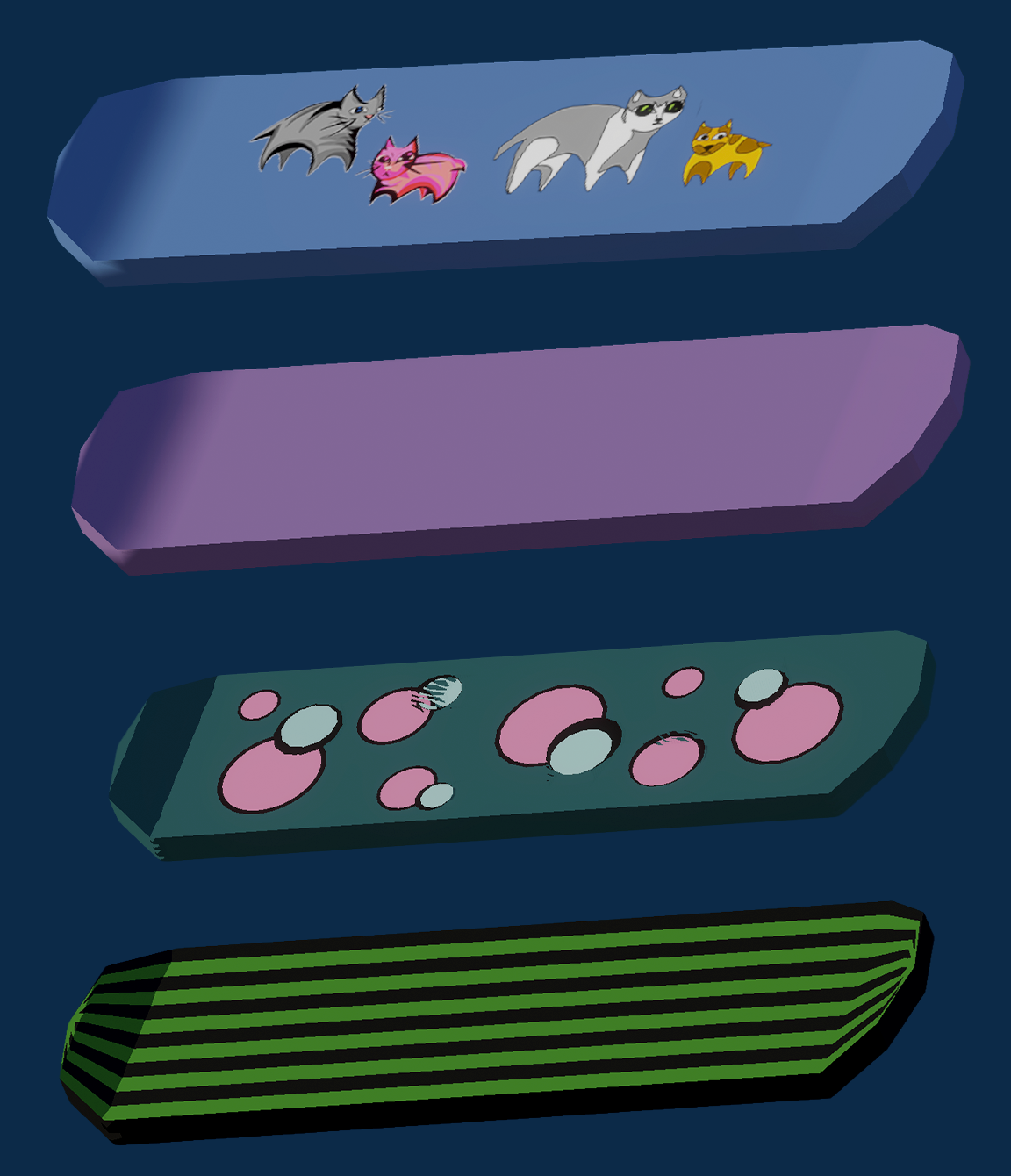
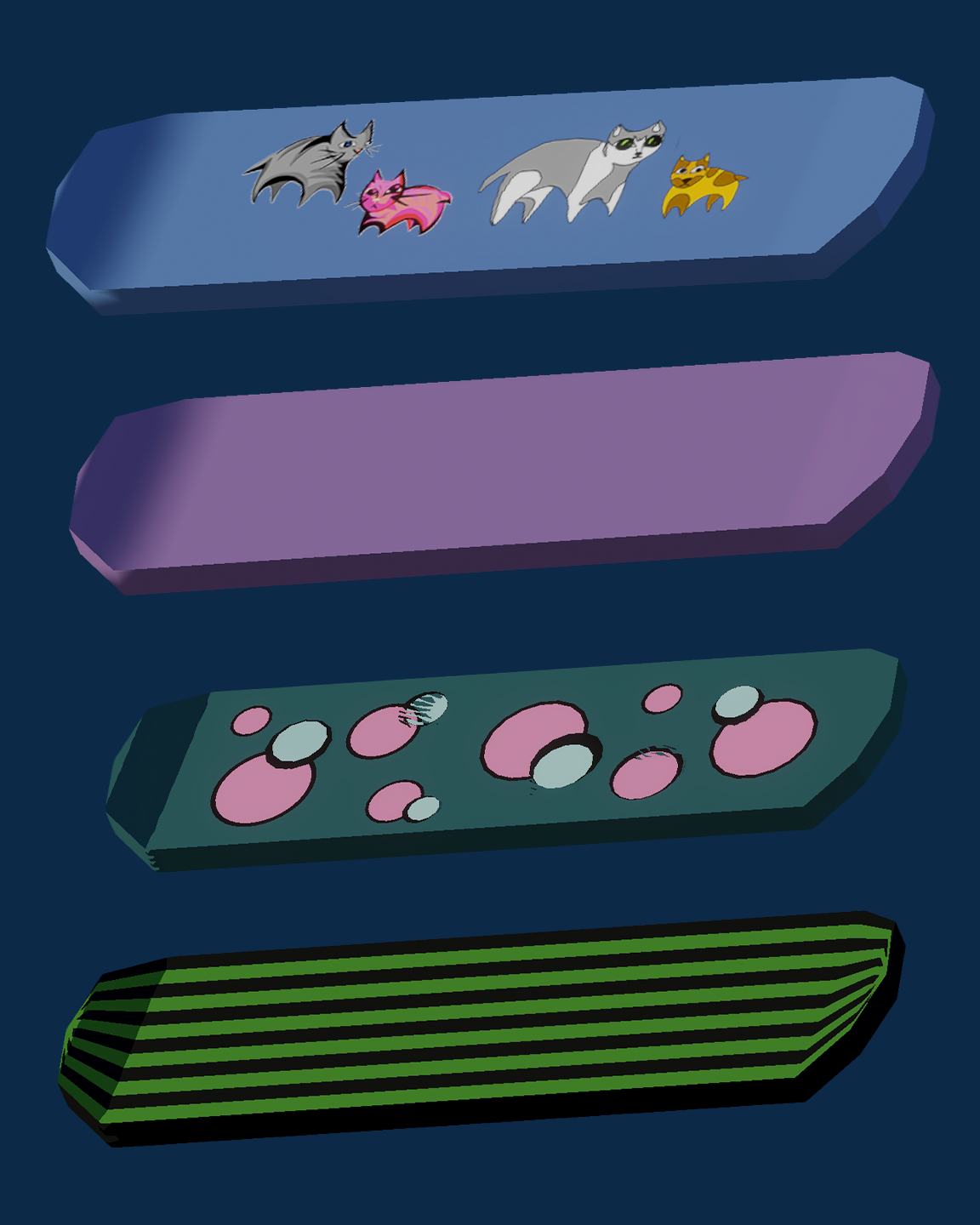
In addition to the character, I created collectible Spex (the in-game currency used to purchase upgrades and cosmetics) as well as multiple unlockable hoverboard skins that allow players to personalize their movement throughout the city. Together, these assets establish a consistent visual language while supporting the game's progression, customization, and exploration systems.


User Experience

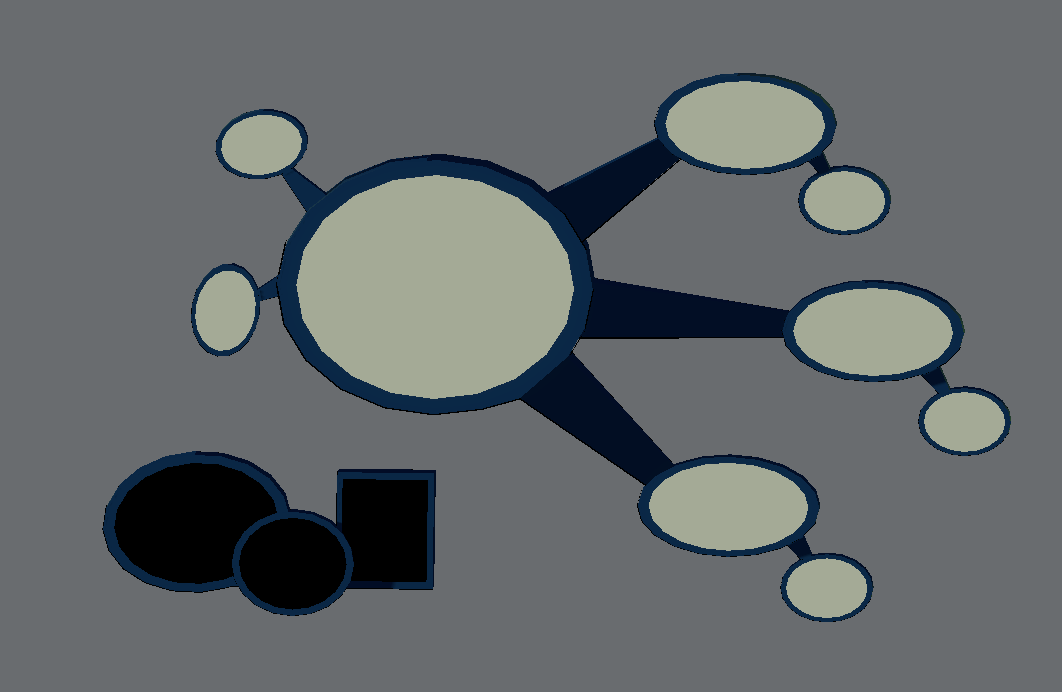
The user interface for Crash Override was designed to complement the game's fast-paced exploration while remaining unobtrusive and easy to navigate. HUD elements provide players with essential information such as Spex currency, objectives, and progression without distracting from the open-world experience.


User Experience
User Experience

In addition to the in-game HUD, I designed menus for the shop, inventory, customization, and pause screens, creating a consistent visual language across every interface. The UI emphasizes readability, intuitive navigation, and clear feedback, allowing players to quickly purchase upgrades, equip new hoverboard skins, and track their progress as they explore the city.

Project Overview

Crash Override allowed me to combine game design, programming, environmental storytelling, and 3D art into a single cohesive project. Working independently required balancing technical implementation with creative direction, from designing progression systems and gameplay mechanics to modeling assets and building explorable environments.


Developing every aspect of the game—from concept and world-building to UI, asset creation, and gameplay programming—strengthened my experience with Unity, C#, 3D modeling, level design, and creating engaging interactive experiences. The project reinforced the importance of iteration, playtesting, and designing systems that encourage curiosity and exploration.

NEXT PROJECT →